

Exploring local stakeholders’ perspectives on climate change in Alpine vineyards
As part of the RESPOnD project, the seven pilot areas located in Italy, France, Slovenia, Austria, and Germany started engaging local viticulture experts in a Living Lab process to co-develop knowledge on the attributes, ecosystem services, and climate change impacts shaping their respective wine-growing regions.
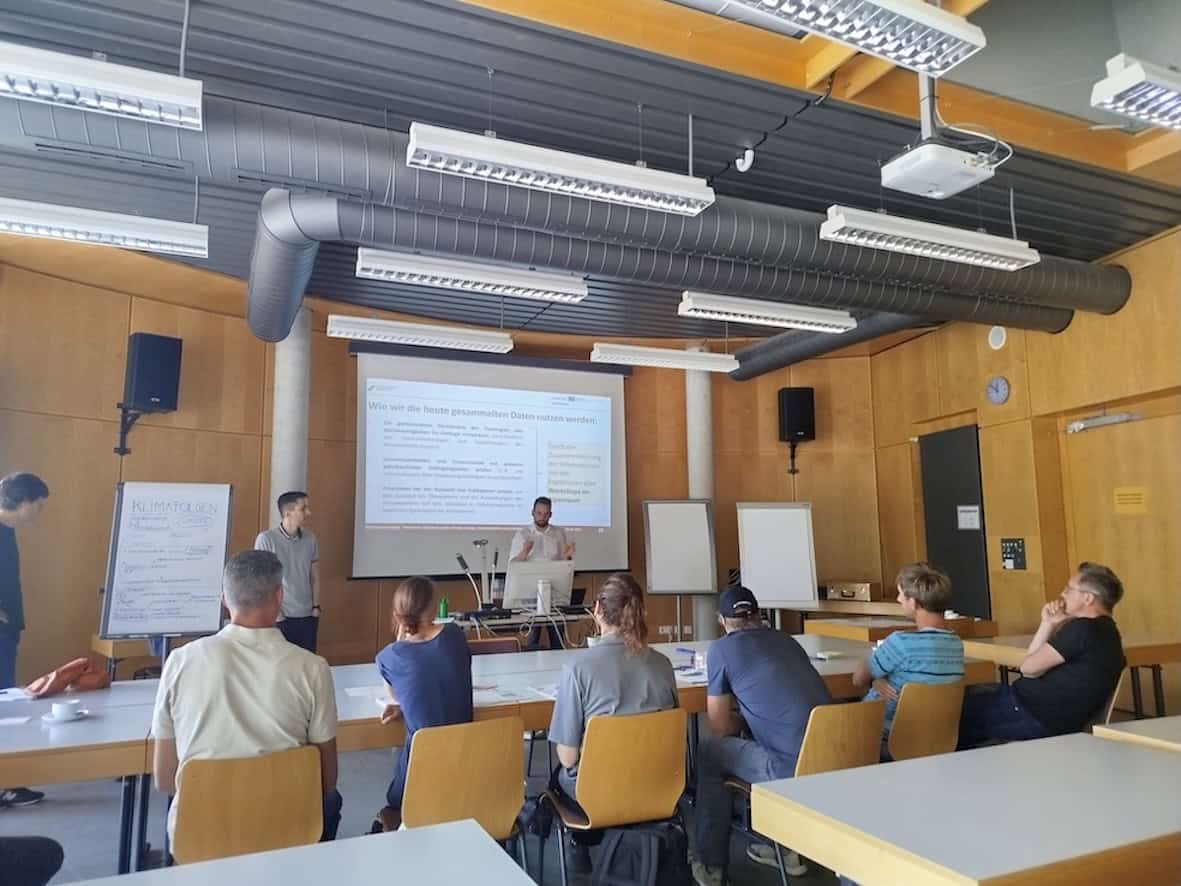
But what exactly is the Living Lab approach? It consists of a participative and iterative process that provides a space for discussion and co-creation (e.g., of knowledge) among stakeholders. In the framework of RESPOnD, this method is applied in each pilot area where partners organize workshops and events with winemakers, representatives from wine cooperatives, associations, or public authorities. Living Labs allow to gain valuable insights into defining characteristics and challenges of Alpine wine orchards from various perspectives. Several workshops using this collaborative approach will be held during the duration of RESPOnD, but the first round recently started.
Then, what are the key takeaways from the first round of Living Lab workshops?
Whether in South Tyrol (IT), Aosta Valley (IT), Vipava Valley (SI), South Burgenland (AT), or Franken (DE) areas, here are the main discussion that arose were about:
- Economic and cultural importance of the wine making sector: High-quality wine production is among the economic backbones of these areas. Premium wines create jobs and unique landscapes, strengthening tourism, viticulture and identities. All regions emphasize the cultural heritage associated with their wine-growing traditions. Franken highlights its steep-slope vineyards and Silvaner grape as a defining element of its traditions and landscape. Burgenland underscores the role of Uhudler rosé wine as a regional ambassador. Finally, South Tyrol views viticulture as both economically and culturally foundational (terraces, high-elevation vineyards) despite evolving practices.
- Ecosystem services are highly valued despite a lower concern addressed to the topic of biodiversity preservation within the vineyards. Though the loss of hedgerows and trees is a growing concern, many services are acknowledged as essential, such as crop production. All these areas also emphasize non-material services such as cultural landscape and heritage, soil processes (e.g., fertility, erosion control), aesthetic and tourism value.
- Climate-related impacts are real and intensifying, including drought stress, pest pressure, and hail events. All areas report early ripening, loss of acidity, heat stress, and sunburn on grapes. Water stress (due to prolonged drought periods and irregular precipitation) is the top concern across all regions. Extreme weather events (hail, late frost, heavy rains) are increasingly disruptive. There is a rising pest and disease pressure due to warmer temperatures, favoring the development and reproduction of many pests and pathogens.
The first round of exchange with local experts in the RESPOnD project pilot areas highlighted the vulnerability and the complexity of the Alpine wine orchards as well as the importance of listening to stakeholder voices when developing sustainable and adaptive practices to enhance the resilience and future viability of traditional viticultural heritage.
Follow us on LinkedIn (RESPOnD Project Interreg Alpine Space | LinkedIn) and Instagram (@respondalpine_) for more updates on the project!