
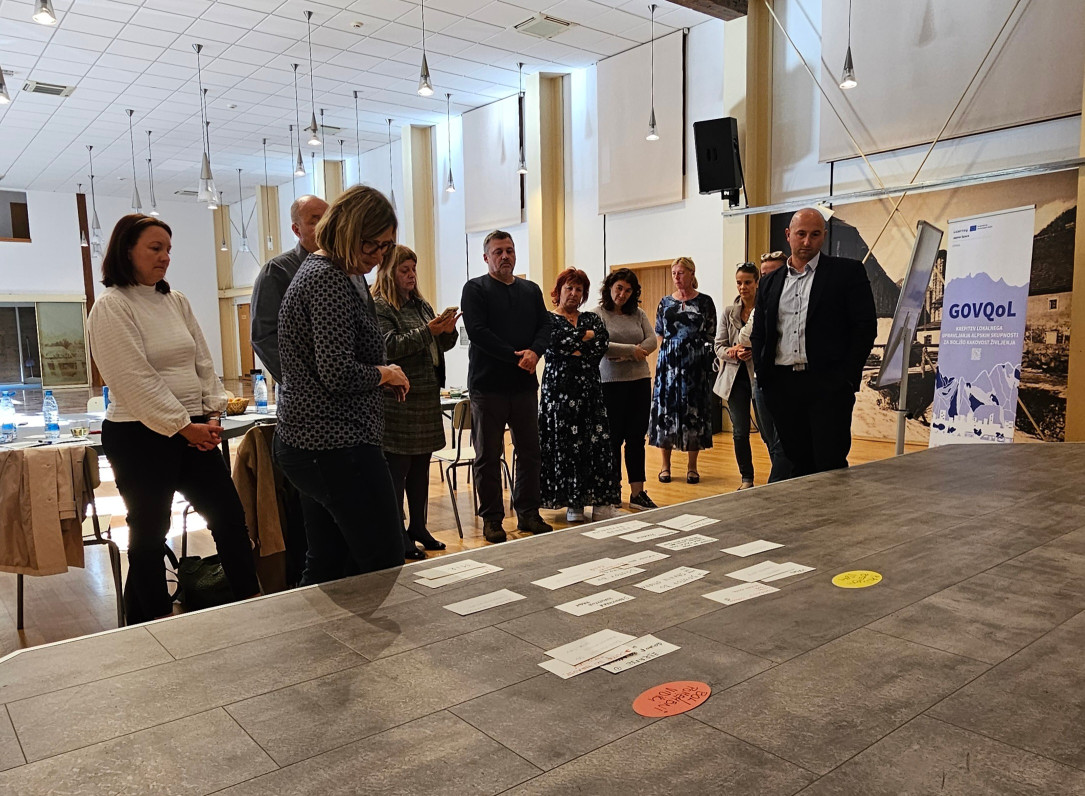

In Slovenia, both the first and second rounds of workshops with pilot municipalities were concluded between October 2025 and February 2026. The Slovenian pilots include two municipalities: Črna na Koroškem in Koroška region, representing a rural municipality, and Jesenice in Gorenjska region, the largest town in Slovenia within the perimeter of the Alpine Convention, representing an urban municipality. The workshops in both municipalities were attended by various local stakeholders, including representatives of municipal administrations, local associations and public institutions such as primary and secondary schools, regional development agency, home for the elderly, and centre for social work among others.
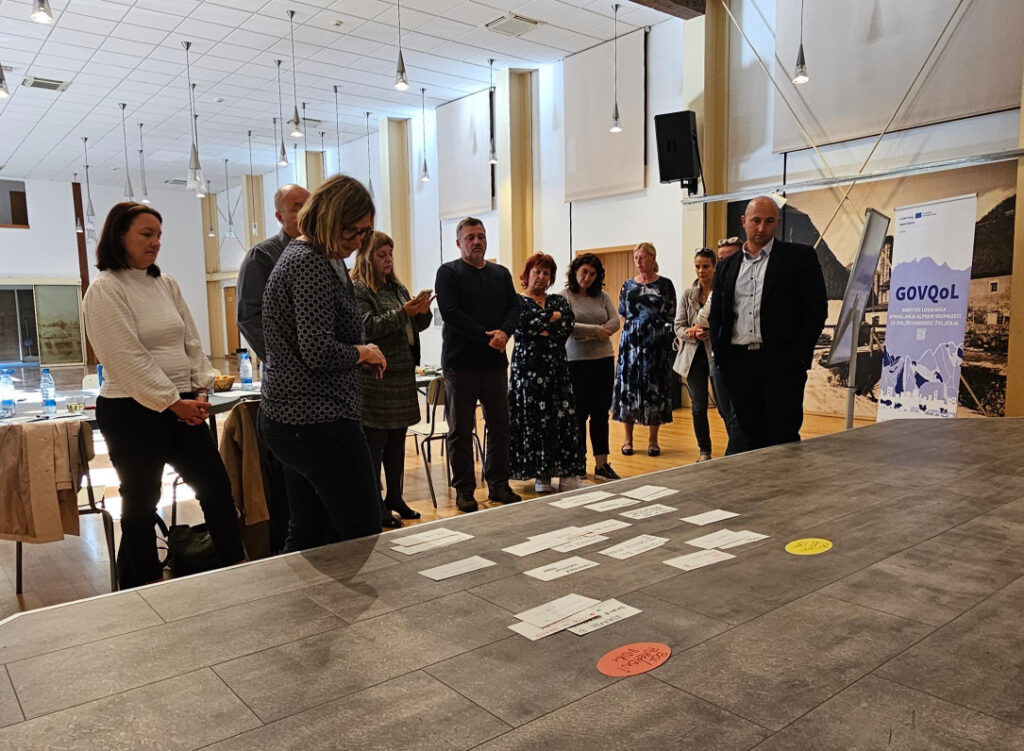
The aim of the first workshop was to explore how quality of life is perceived at the local level, identify key factors and challenges, and assess the current state of governance related to ensuring quality of life. Across both municipalities, participants highlighted health, safety, and environment as key aspects. Shared challenges emerged, particularly in relation to transport and provision of services of general interest. At the same time, more territory-specific issues were identified: Črna na Koroškem is facing youth outmigration and demographic decline, while in Jesenice stakeholders pointed to the unavailability of housing and challenges related to social relations. Both municipalities also share several governance-related challenges, including limited cooperation between administrative levels, complexities in policy design and implementation, and difficulties in translating national policies into local action.
Building on these initial findings, the second round of workshops, recently completed in both municipalities, focused on identifying solutions and proposing potential measures to address the challenges highlighted in the first phase, particularly in those quality of life areas considered most critical by local stakeholders.
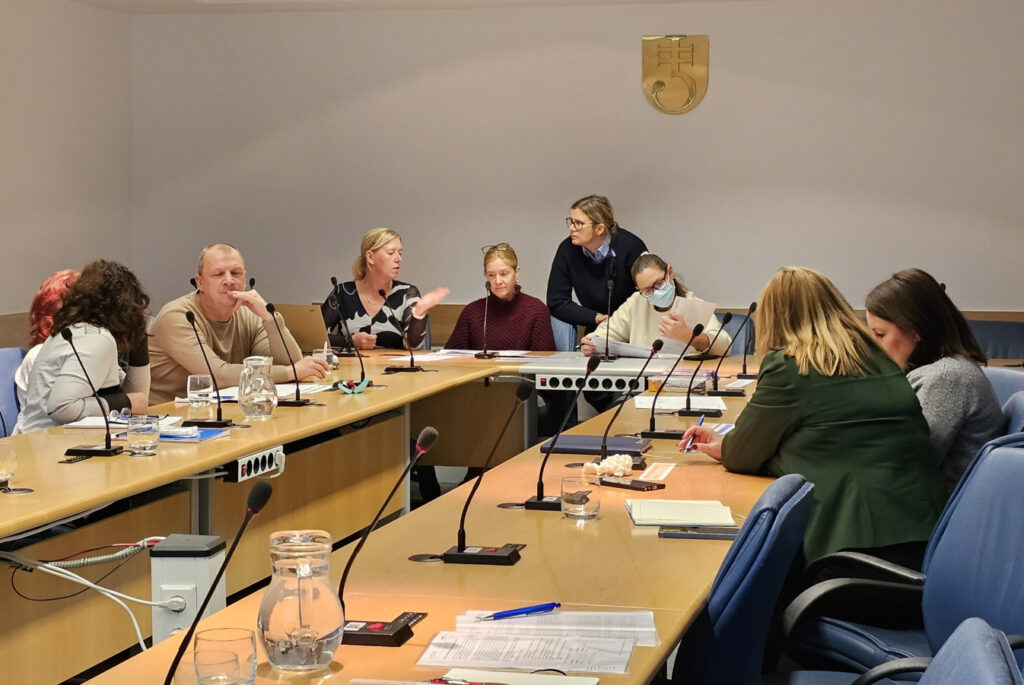
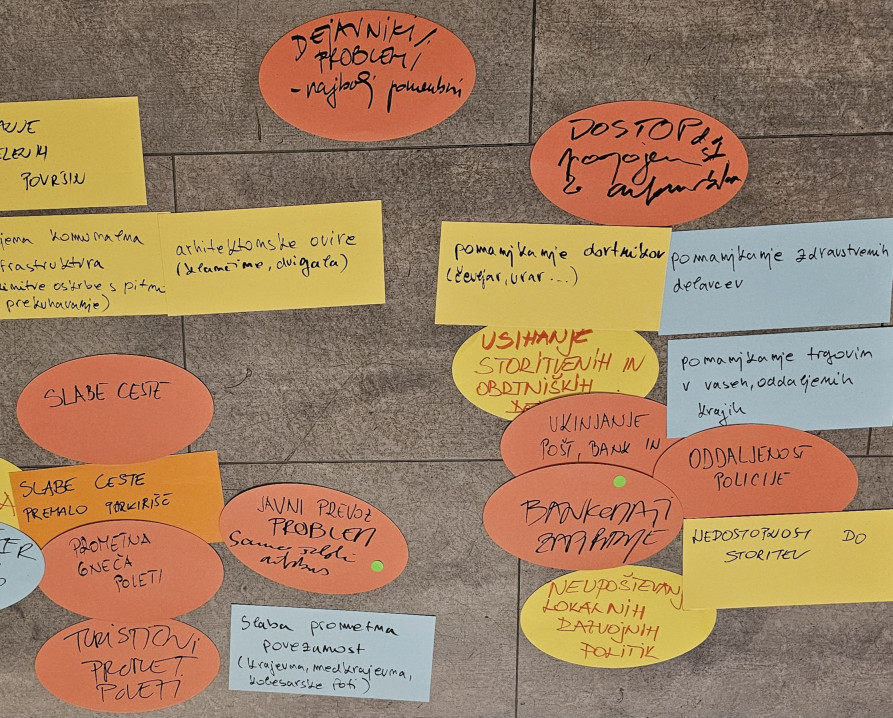
In both Črna na Koroškem and Jesenice, discussions addressed the provision of services, especially in relation to the closure of services and the decline in the number of local craftsmen. In Črna na Koroškem, the lack of specialised shops was emphasised, while in Jesenice participants explored solutions to reduce car dependency and address the shortage of healthcare workers. Another common topic was social relations: in Jesenice, stakeholders discussed community disconnection, intolerance, and limited leisure opportunities for young people, while in Črna na Koroškem low participation in community events was highlighted.
Additional thematic areas were explored in Jesenice, including transport-related challenges such as traffic culture and mobility options for the elderly, as well as spatial issues such as the shortage of housing and green spaces. In Črna na Koroškem, discussions focused on demographic trends, economic development constraints, and governance challenges, including uneven regional development, a lack of skilled personnel, and limited citizen participation.
Despite their different characteristics (one being rural and the other urban, and located in different regions) both municipalities share several similar challenges, highlighting common issues faced by Alpine communities. In the next phase, local roadmaps for each municipality will be developed, proposing place-based measures aimed at strengthening governance and enhancing quality of life.
*
Prepared by Pina Klara Petrović Jesenovec, UL BF