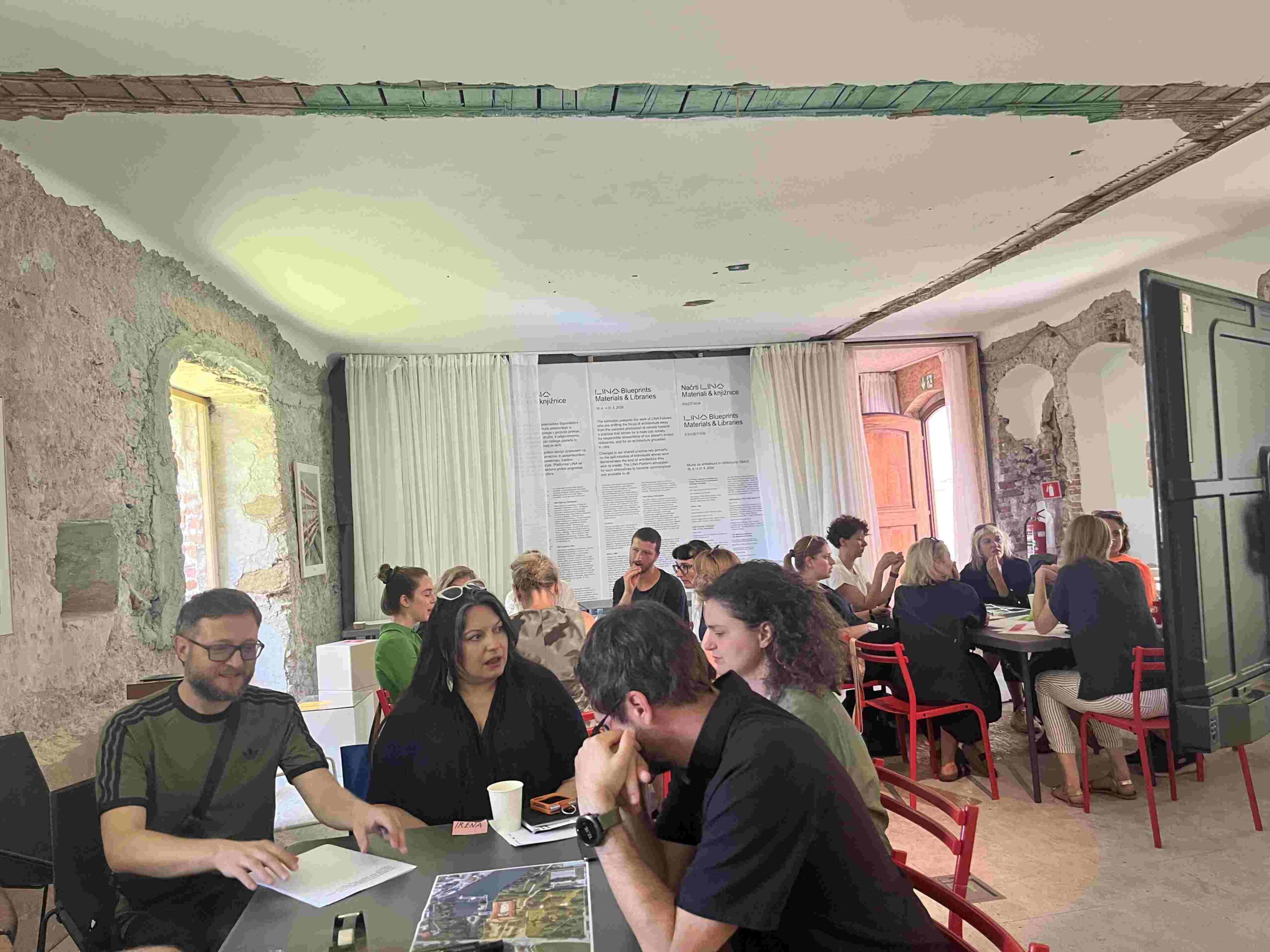
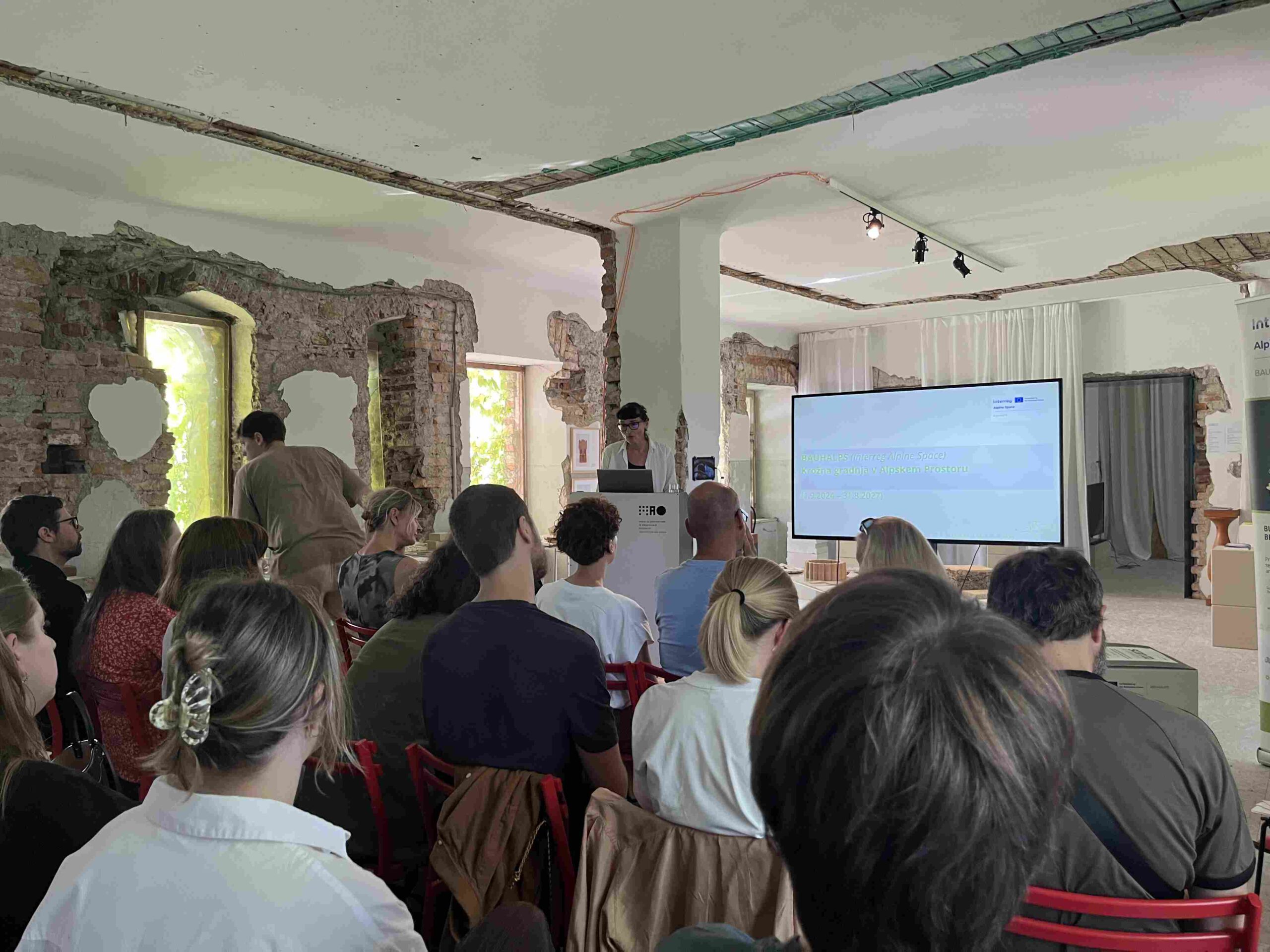
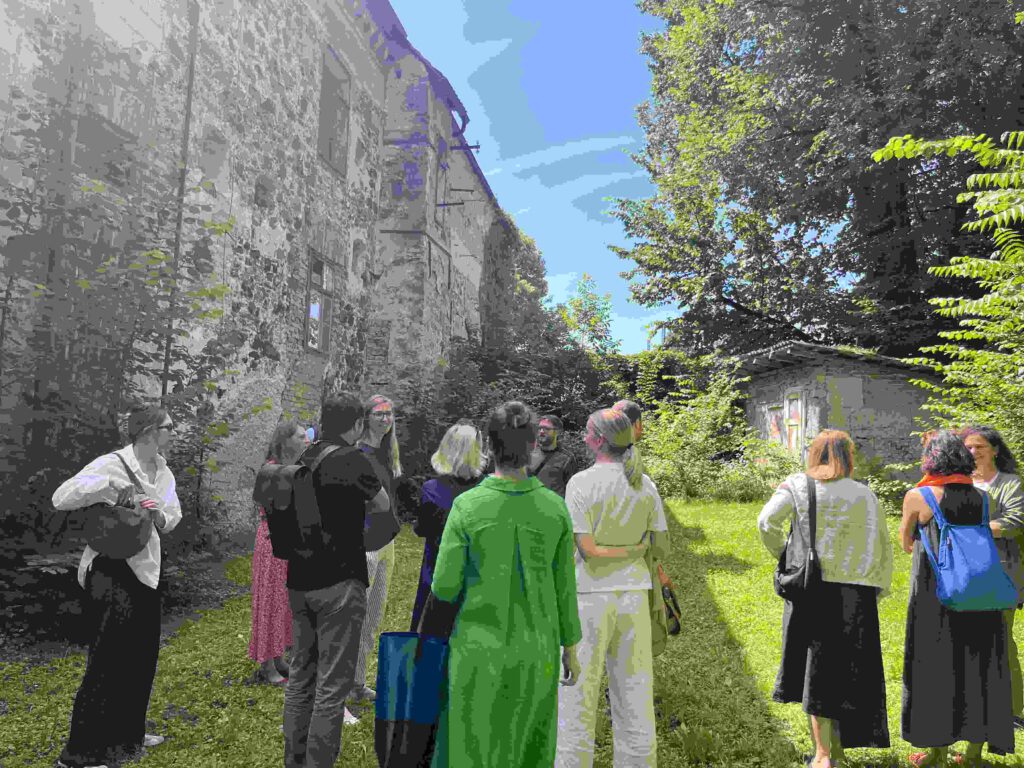
On 18 June 2026, the BAUHALPS project brought together stakeholders, experts, cultural practitioners, designers, architects, tourism professionals, public institutions, and members of the local community at the Museum of Architecture and Design (MAO) in Fužine Castle, Ljubljana.
The workshop focused on a central question: How can a historic heritage site evolve into a vibrant, inclusive, and future-oriented space while preserving its identity? Rather than discussing a single large-scale renovation, participants explored how gradual, adaptive and community-driven interventions could unlock the potential of Fužine Castle and its surroundings.
From Museum Building to Living Platform
One of the strongest messages emerging from the discussions was that the future role of cultural institutions extends beyond presenting exhibitions and preserving collections. Participants emphasized that a contemporary museum should function as an open platform for exchange, collaboration and knowledge creation. Community space is not simply a room within a building—it is a way of managing, sharing and activating space.
The discussions highlighted the importance of involving future users not only as visitors but also as contributors to the development process itself. Accessibility was therefore understood not only as physical access, but also as access to decision-making, participation and co-creation.
Creating Space for Experimentation
Across all working groups, participants identified a growing need for spaces dedicated to experimentation, production and collaboration. While exhibition spaces remain essential, there was strong support for developing environments where architects, designers, researchers, curators and creative practitioners can actively work, test ideas, exchange knowledge and develop projects.
Such spaces could support residencies, workshops, educational activities and interdisciplinary cooperation, transforming the museum from a place where ideas are displayed into a place where ideas are created.
The Attic as a Laboratory for Circular Innovation
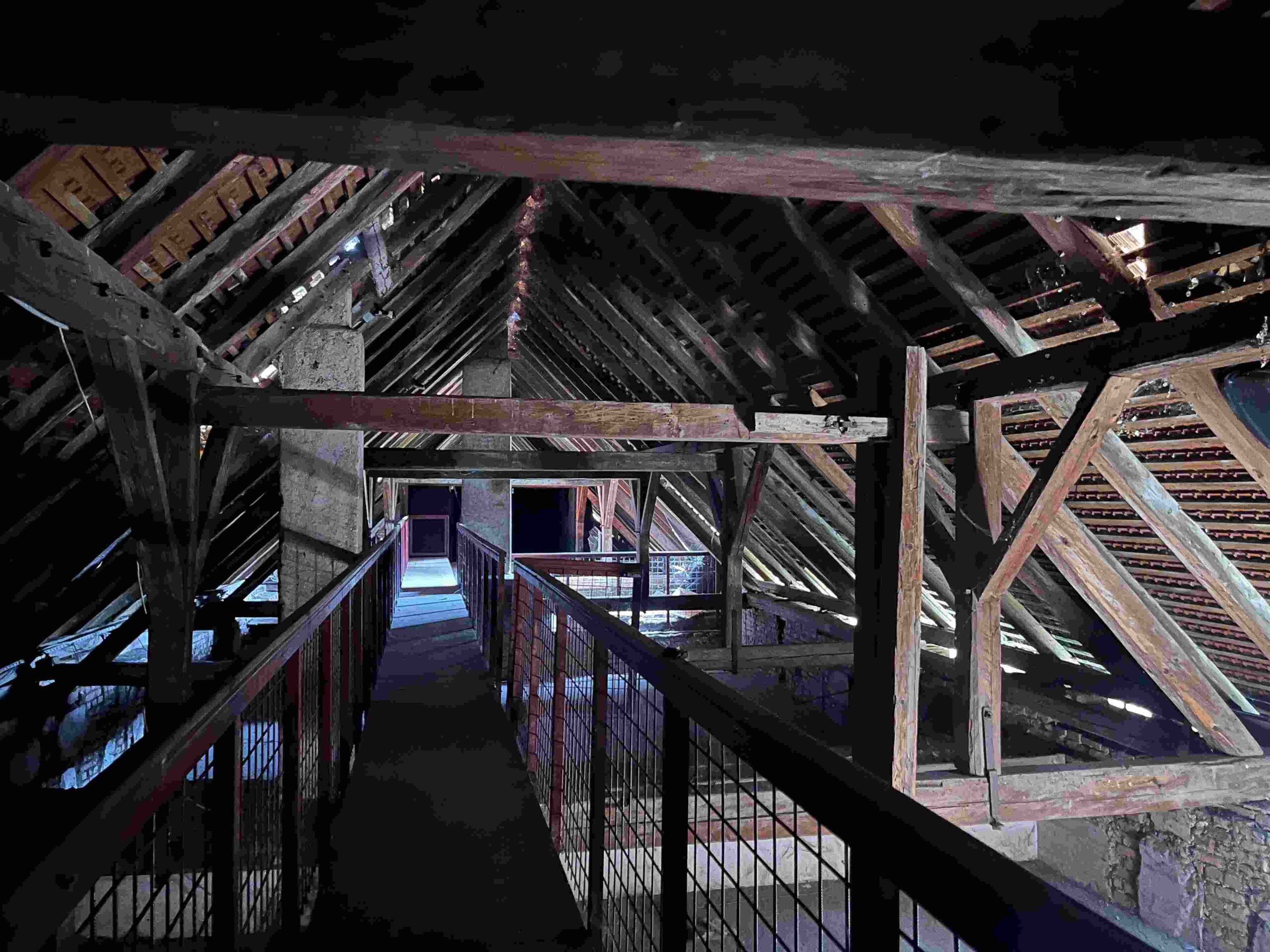
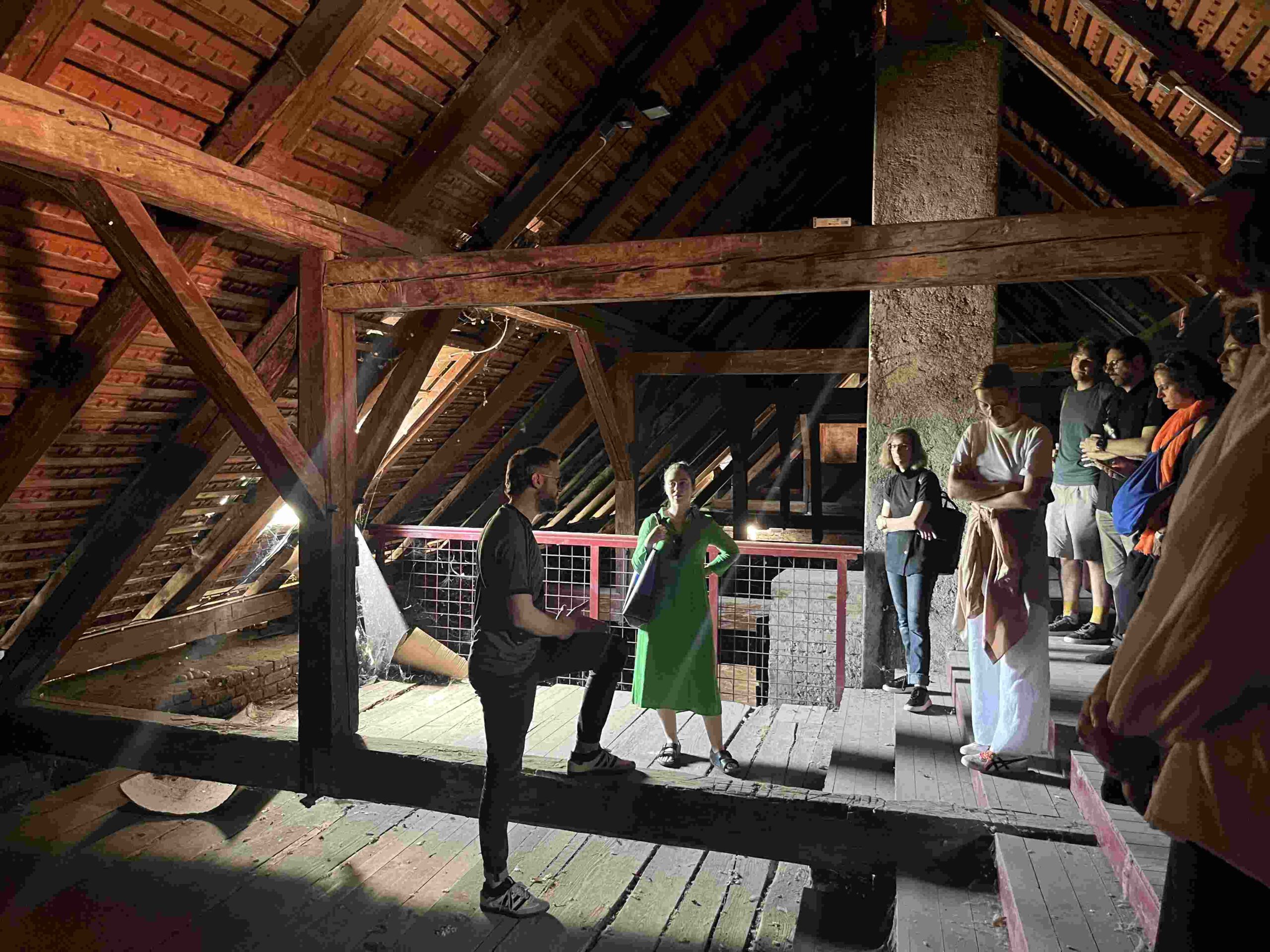
A significant part of the workshop focused on the underused attic spaces of Fužine Castle. Participants envisioned these spaces as a future laboratory for architecture, design, circular construction and sustainable materials. Rather than aiming for a fully finished and fixed environment, they advocated for a phased and modular approach that would allow the space to evolve over time.
Key qualities identified for future interventions included openness, flexibility, robustness and multifunctionality. The renovation process itself was seen as an opportunity to demonstrate circular and regenerative practices in heritage preservation, turning the building into a real-life learning environment.
Extending the Museum Beyond Its Walls
Another recurring theme was the need to rethink the relationship between the museum, the surrounding park, the Ljubljanica River and the wider Fužine neighbourhood. Participants highlighted that the castle’s greatest asset may not be the building alone, but its connection to nature, water and one of Ljubljana’s largest residential communities.
Ideas discussed included:
- strengthening connections between the castle, the park and the river,
- activating outdoor spaces through design and architectural interventions,
- creating cultural and experiential routes,
- expanding outdoor programming and events,
- and enabling local residents to become active contributors to museum activities.
The concept of the “museum beyond walls” emerged as a powerful direction for future development.
From Sustainability to Regeneration
The workshop also introduced a broader discussion about regenerative approaches to cultural development and tourism. Participants reflected on how cultural institutions can move beyond simply reducing negative impacts and instead actively contribute to strengthening communities, improving places and generating positive environmental and social value.
In this context, Fužine Castle was recognised as a unique meeting point of cultural heritage, creativity, landscape and community life. This combination creates a strong foundation for exploring new models of development inspired by the values of the New European Bauhaus.
Building the Next Steps Together
The ideas, recommendations and reflections gathered during the workshop will contribute to the further development of BAUHALPS pilot activities in Slovenia. More importantly, the event demonstrated that the future of heritage is not only about preserving the past. It is about creating spaces where people, knowledge, creativity and communities can come together to shape new possibilities for the future.